
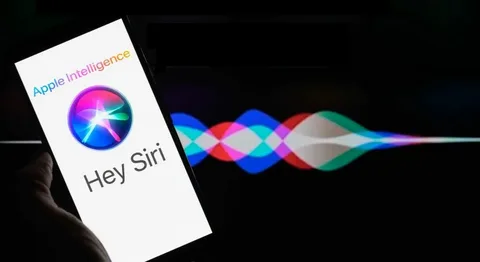
After nearly two years of delays, broken promises, and immense pressure from Wall Street, Apple has finally delivered. At WWDC 2026, the tech giant officially pulled back the curtain on its most critical software breakthrough in a decade: a completely rebuilt, deeply contextual virtual assistant officially rebranded as Siri AI.
Presented by engineering VP Mike Rockwell during Tim Cook’s final WWDC keynote before handing leadership to John Ternus, Siri AI is the definitive centerpiece of the brand-new iOS 27 ecosystem. It is no longer just a voice trigger to set kitchen timers; it is a full-fledged, privacy-first AI agent built to quietly handle your digital life.
Here is everything Apple just announced regarding the long-awaited glow-up of its voice assistant.
1. The Dynamic Island Transformation
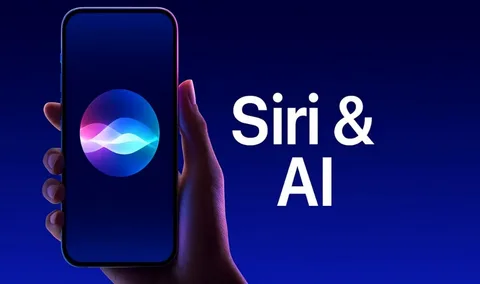
The first thing users will notice is a clean break from the past. The familiar glowing multi-colored orb at the bottom of the screen is gone. Instead, Siri AI lives natively inside the Dynamic Island, springing into action with a fluid, layered Liquid Glass appearance whenever you swipe down, click the power button, or speak to it.
Furthermore, Apple is breaking Siri out of its background-only shell by introducing a standalone Siri AI chatbot app. This dedicated interface allows users to sync ongoing text threads via iCloud, upload files, and review conversation history, positioning it to compete head-to-head with ChatGPT and Claude.
2. Deep Collaboration with Google Gemini
In a stunning admission of the project’s complex development history, Apple Software Chief Craig Federighi confirmed a deep architecture partnership with Google.
While Apple’s internal chip hardware handles secure, on-device tasks, the heavy-lifting, large language model (LLM) reasoning under the hood of Siri AI is actively powered by Google Gemini. This massive cross-industry alliance provides Siri with the raw contextual power it desperately lacked, allowing it to hold fluid, multi-turn conversations and access real-time world knowledge without stuttering.
3. Screen Awareness and Personal Context
The true “wow” factor of the WWDC demo centered around agentic, multi-step workflows. Because Siri AI is woven directly into the fabric of iOS 27, it possesses total on-screen awareness and safely reads your personal context across native and third-party apps.
During the live presentation, Apple demonstrated Siri executing complex, chained requests flawlessly:
- App Synthesis: A user can ask about a music concert. Siri searches the web, notes that tickets require a lottery, cross-references the user’s calendar, and automatically sets a calendar reminder for when the lottery opens.
- Cross-App Actions: You can show Siri a photo of a famous landmark on your screen, and say, “Find my family photos from this place, add them to a shared album, and text a map link to Mom.” Siri handles the entire multi-app sequence instantly without the user ever opening Photos or Messages.
4. Visual Intelligence Integrated Inside the Camera
Apple is also weaponizing your camera lens. The Camera app in iOS 27 features a dedicated, prominent “Visual Intelligence” mode sitting right alongside standard options like Photo and Video.
By activating this Siri mode, users can point their iPhone at the physical world to instantly extract contact information from business cards, analyze nutrition labels, translate street signs, or execute immediate Google Image searches to identify real-world objects and architecture in real time.
5. Systemwide AI Integration and Performance Boosts
Siri AI is also stepping in to completely replace Spotlight as the global search portal across Apple Silicon hardware. To ensure these heavy AI workloads don’t destroy daily usability, iOS 27 drops heavy visual overhauls to focus purely on infrastructure optimization. Apple claims the new architecture allows photos to open 70% faster and multi-tasking CPU scheduling to run significantly more efficiently to preserve battery life.
The Verdict: Apple’s AI Payoff Moment
Apple took a massive gamble by delaying this upgrade for two years while its competitors rushed flawed products to market. By focusing heavily on system privacy, voice expressiveness, and practical automation rather than gimmicky text generation, Siri AI feels less like a corporate chatbot and more like an extension of the phone itself.
The fallback is over; Apple has officially entered the AI race, and the way we interact with our consumer tech has permanently changed.