
The guns have fallen silent, and the heavy maritime gates of the Persian Gulf are haltingly swinging back open. Following a breakthrough weekend announcement by international mediators, the United States and Iran have finalized a momentous framework peace deal, officially bringing their destructive fifteen-week war to a tentative halt.
The agreement, hailed by UN Secretary-General António Guterres as a critical milestone, mandates the permanent termination of military operations on all fronts, the lifting of the U.S. naval blockade, and the reopening of the strategic Strait of Hormuz. On the digital front, U.S. President Donald Trump celebrated the breakthrough by proclaiming to the global markets: “Ships of the world, start your engines. Let the oil flow!”
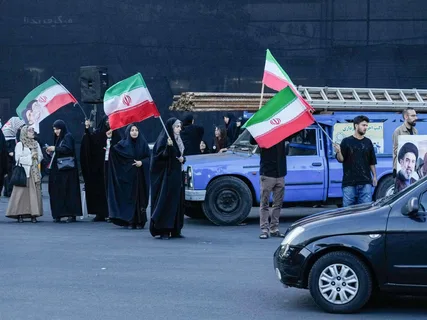
Yet beneath the immediate surface layer of global market euphoria and falling crude prices, the atmosphere on the streets of Tehran is anything but settled. While everyday citizens breathe a sigh of relief, a powerful, deep-seated undercurrent of profound skepticism and political factionalism is sweeping through the Islamic Republic.
1. Public Relief Warring Against Generational Distrust
For the average civilian navigating the sprawling avenues of Tehran, the temporary pause in active hostilities offers a desperately needed psychological and economic reprieve. The three-and-a-half-month conflict, which began in late February with relentless aerial bombardments, had pushed the domestic economy into a tailspin, choking off imports and inducing hyperinflation.
However, decades of bitter diplomatic betrayal have deeply conditioned the local population to remain highly guarded:
- The JCPOA Ghost: Both the working class and merchant elites vividly remember the 2018 collapse of the original nuclear deal, when a previous Washington administration unilaterally abandoned signed treaties and imposed maximum pressure sanctions overnight.
- The Baseline Demands: Local labor unions and street vendors emphasize that “peace” is completely meaningless without immediate, tangible sanctions relief that lowers the astronomical daily cost of bread, meat, and utilities.
- Physical Reconstruction Fears: Heavy structural damage to domestic infrastructure remains entirely unaddressed. For many, real tranquility cannot return until the hum of active construction replaces the threat of incoming drones.
2. The Hardline Resistance and the “Victory” Narrative
The domestic political landscape inside the capital is rapidly fracturing over how the deal is being presented. While Foreign Minister Abbas Araghchi and Parliamentary Speaker Mohammad Bagher Qalibaf are aggressively framing the memorandum as an absolute geopolitical victory, hardline military ideologues are fiercely pushing back.
Media outlets closely aligned with the Islamic Revolutionary Guard Corps (IRGC) have openly expressed severe discomfort regarding the looming, highly technical parameters of the deal. Influential military hardliners view the upcoming 60-day intensive technical negotiation window as a dangerous diplomatic trap.
To these ultraconservative factions, any American demands forcing Iran to permanently dilute its highly enriched uranium stockpiles or submit deeply buried defensive facilities to intrusive International Atomic Energy Agency (IAEA) monitoring represent an unacceptable violation of national sovereignty and an absolute military surrender.
3. The Unpredictable Regional Spoilers
Perhaps the greatest source of anxiety keeping Iranian strategists awake at night is the fragile, unverified nature of the broader regional ceasefire. The text of the accord claims to guarantee a permanent cessation of hostilities across all proxy fronts, including Lebanon.
However, severe external developments are already actively threatening to scupper the fragile memorandum before the official signing ceremony can even take place:
| Crucial Strategic Factor | Current Threat Level | Real-World Operational Impact |
| The Israeli Position | CRITICAL | Prime Minister Benjamin Netanyahu officially notified Washington that Israel will not withdraw troops from Lebanon and rejects being legally bound by the terms of the U.S. deal. |
| Beirut Airstrikes | HIGH | Continued localized military strikes targeting suspected command infrastructure in Beirut have drawn fierce warnings from Tehran diplomats. |
| Strait tolling rights | MODERATE | Iranian state media insists the waterway will open strictly under “Iranian arrangements,” a stance Washington has long labeled completely unacceptable. |
4. The Path to Switzerland: A Calendar of Absolute Uncertainty
As international diplomatic delegations prepare to pack their bags for the formal signing ceremony this Friday, June 19, in Geneva, Switzerland, the true durability of the peace remains tethered to a highly volatile countdown clock.
With Western hardliners like U.S. Senator Lindsey Graham openly warning that any finalized nuclear agreement will be subjected to a aggressive, adversarial vote in Congress, the political reality is stark. In the tea houses of Tehran and the corridors of parliament, the consensus is clear: a signed piece of paper in Switzerland is merely a pause button, not a permanent shield against a future war.