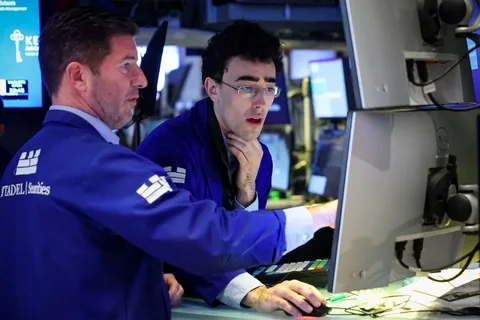
The U.S. stock market has entered a period of cautious trading as strong enthusiasm surrounding artificial intelligence (AI) continues to compete with growing concerns about geopolitical instability in the Middle East. While investors remain optimistic about the long-term potential of AI-driven growth, rising regional tensions have introduced uncertainty that is preventing markets from moving significantly higher.
Over the past two years, AI has become one of the most powerful drivers of stock market performance. Technology companies involved in artificial intelligence, cloud computing, semiconductor manufacturing, and data center infrastructure have experienced substantial gains as businesses increase investments in next-generation technologies. Investors have largely viewed AI as a transformational force capable of reshaping industries and creating significant economic value.
This optimism has helped fuel strong performances across major technology stocks. Companies developing AI software, advanced computer chips, and enterprise infrastructure solutions have attracted billions of dollars in investment as organizations race to adopt artificial intelligence capabilities. Many analysts believe the AI sector remains in the early stages of a long-term growth cycle.
However, despite the positive outlook for technology, financial markets are also highly sensitive to geopolitical developments. Recent tensions in the Middle East have raised concerns about potential disruptions to global trade, energy supplies, and economic stability. Whenever geopolitical risks increase, investors often become more cautious and reduce exposure to riskier assets.
The Middle East plays a critical role in global energy markets, making developments in the region particularly important for investors. Any escalation of conflict could impact oil production, transportation routes, and energy prices. Rising energy costs can influence inflation, business expenses, and consumer spending, all of which affect overall economic growth.
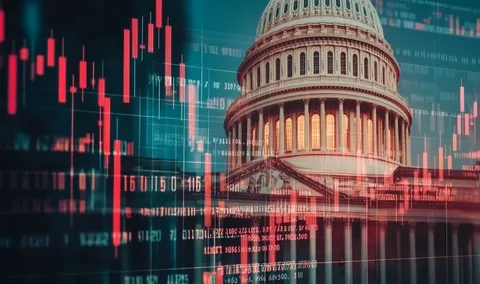
As a result, Wall Street finds itself balancing two powerful forces. On one side is the strong growth narrative surrounding artificial intelligence and technological innovation. On the other is the uncertainty created by geopolitical tensions and the possibility of broader economic disruptions. This combination has contributed to relatively muted market movements despite continued excitement around AI-related investments.
Market analysts note that investors are carefully monitoring both corporate earnings and international developments. Strong earnings reports from technology companies have reinforced confidence in the AI sector, but geopolitical concerns are encouraging many investors to adopt a more defensive approach. Instead of aggressively buying stocks, some market participants are waiting for greater clarity regarding global conditions.
Another factor influencing market sentiment is uncertainty surrounding interest rates and monetary policy. Central banks continue to monitor inflation trends while assessing the impact of economic growth and global risks. Any significant changes in energy prices caused by geopolitical events could complicate efforts to maintain economic stability, adding another layer of uncertainty for investors.
Technology stocks remain among the strongest performers in the market, supported by ongoing demand for AI infrastructure, cloud services, and advanced computing solutions. Companies involved in artificial intelligence continue to attract investor attention because of their potential to generate future revenue growth. Nevertheless, even high-performing sectors can experience volatility when broader market risks increase.
Historically, financial markets have often responded cautiously during periods of geopolitical uncertainty. Investors typically seek safer assets while evaluating potential economic consequences. This behavior can temporarily offset positive momentum generated by strong corporate performance or emerging technology trends.
Despite current concerns, many analysts remain optimistic about the long-term outlook for AI-driven industries. Businesses worldwide continue investing heavily in automation, machine learning, data analytics, and digital transformation initiatives. These investments are expected to support sustained growth across the technology sector for years to come.
For now, Wall Street appears caught between optimism and caution. The promise of artificial intelligence continues to support investor confidence, while Middle East tensions serve as a reminder that global markets remain vulnerable to external risks. The interaction between these forces will likely play a major role in shaping market performance in the coming months.
As investors navigate an increasingly complex environment, they will continue watching both technological developments and geopolitical events closely. Whether AI enthusiasm ultimately outweighs global uncertainty may determine the next direction for financial markets and investor sentiment worldwide.