Social media continues to dominate the digital marketing world in 2026, making it more important than ever for businesses, creators, and brands to manage their online presence efficiently. With millions of posts published daily across platforms like Instagram, Facebook, TikTok, LinkedIn, and X, staying organized can become extremely difficult without the right tools. This is why social media management platforms have become essential for marketers who want to save time, improve engagement, and grow their audiences effectively.
Modern social media tools now offer far more than simple post scheduling. Many platforms include advanced analytics, AI-powered content suggestions, audience tracking, automation features, and team collaboration systems. Whether someone is running a small business or managing global marketing campaigns, these tools help streamline workflows and improve overall digital performance.
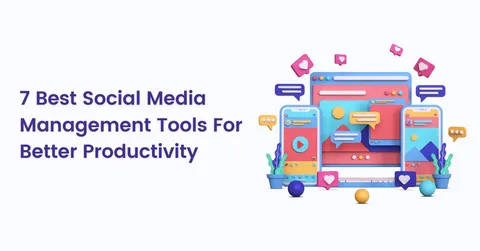
One of the most popular platforms in 2026 is Hootsuite. Known for its user-friendly dashboard and powerful scheduling system, Hootsuite allows businesses to manage multiple social media accounts from one place. Users can plan content calendars, monitor audience engagement, and analyze campaign performance in real time. Its integration with various platforms makes it one of the most reliable tools for large marketing teams.
Another major player is Buffer, which remains popular among freelancers, startups, and small businesses. Buffer focuses on simplicity and ease of use while still offering strong scheduling and analytics features. Many users appreciate its clean interface and affordable pricing structure, especially for growing brands that need professional tools without high costs.
Sprout Social has also become a leading choice for businesses that prioritize customer engagement and detailed analytics. The platform provides advanced reporting tools, audience insights, and social listening capabilities that help brands understand online conversations and customer behavior more effectively. For companies focused on long-term brand growth, these insights are extremely valuable.
Artificial intelligence is now transforming how social media management works. AI-powered tools can automatically suggest the best posting times, generate captions, analyze trends, and even predict which types of content may perform best. Platforms like Canva and Later are increasingly integrating AI features to simplify content creation and improve visual branding.
Video content management has also become more important than ever. Short-form video platforms such as TikTok, Instagram Reels, and YouTube Shorts dominate user engagement across the internet. Social media tools now include video editing support, automated subtitle generation, and performance tracking specifically designed for video-based campaigns. Businesses that fail to adapt to this video-focused trend may struggle to maintain audience attention.
Another growing trend in 2026 is cross-platform automation. Companies no longer want to create separate campaigns for every social network manually. Advanced management tools can now customize content automatically for different platforms while maintaining consistent branding. This saves marketers significant time and increases productivity.
Security and account protection are also becoming major priorities. As businesses invest more heavily in digital marketing, social media accounts contain valuable customer data and brand reputation. Many management tools now offer stronger security systems, team permission controls, and two-factor authentication to reduce the risk of hacking or unauthorized access.
Choosing the right social media management tool depends largely on business goals, team size, and marketing strategy. Small businesses may prefer simple and affordable platforms, while larger companies often require advanced analytics, automation, and collaboration features. The good news is that modern tools are becoming more flexible and customizable for different types of users.
As competition on social media continues to increase, effective management tools are no longer optional. They have become critical for brands that want to remain visible, engage audiences consistently, and compete successfully in the digital marketplace. In 2026, businesses that combine creativity with intelligent social media management technology will likely have the strongest online presence and long-term growth potential.