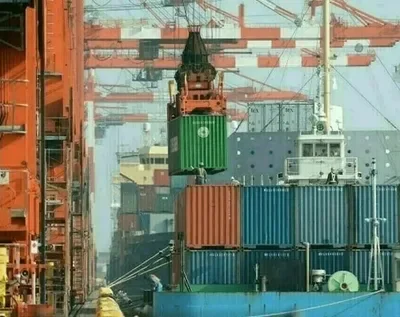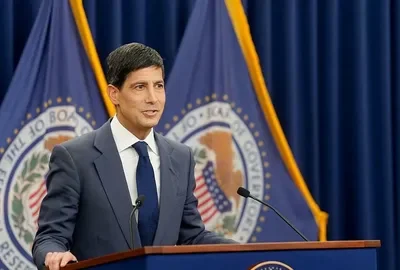

In a monumental diplomatic breakthrough, a senior US official has unveiled the official text of a 14-point peace agreement between the United States and Iran. Titled the “Islamabad Memorandum of Understanding (MOU)”—brokered with the vital mediation of Pakistan and Qatar—the landmark deal brings an immediate halt to the three-month-old war and initiates the immediate, highly anticipated reopening of the Strait of Hormuz.
The breakthrough was digitally co-signed by US President Donald Trump and Iranian President Masoud Pezeshkian, instantly relieving severe pressure on global energy markets after a 110-day naval blockade that sent oil prices soaring worldwide.
1. The Core Framework of the 14-Point Accord
The agreement establishes a strict, 60-day diplomatic window for both nations to negotiate a comprehensive, permanent peace treaty. While the most contentious long-term issues are deferred to the next phase of Swiss-hosted talks, the 14-point text outlines sweeping immediate actions:
- Universal Ceasefire: Paragraph 1 mandates an immediate and permanent termination of military operations on all fronts, explicitly including Lebanon, while binding all allies to refrain from the threat or use of physical force.
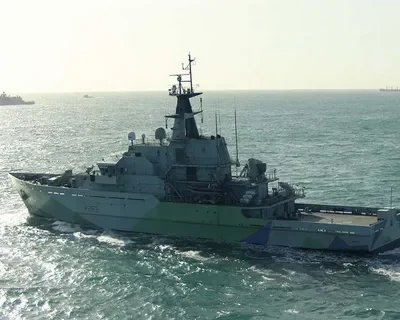
- Lifting the Blockade: The United States commits to immediately removing its naval blockade and any maritime obstructions against Iran, fully dissolving all naval impediments within 30 days.
- Restoring Sea Lanes: Iran will instantly use its best efforts to guarantee the safe passage of commercial vessels through the Strait of Hormuz, restoring commercial traffic back to pre-war volumes.
2. Nuclear Compromises and Financial Incentives
To bring Tehran to the table, the Trump administration incorporated massive economic mechanisms alongside strict nuclear safeguard baselines:
| Key Treaty Domain | Mandated Action Point | Operational Safeguard / Detail |
| Nuclear Stockpile | On-site down-blending of enriched uranium. | Supervised directly under the International Atomic Energy Agency (IAEA); Iran reaffirms it will never develop nuclear weapons. |
| Reconstruction Fund | Creation of a $300 billion development package. | Funded alongside regional partners to rebuild the Islamic Republic of Iran’s economy. |
| Sanctions & Assets | Immediate deployment of US Treasury waivers. | Unfreezes restricted Iranian funds and permits the immediate export of crude oil and petrochemical products. |
Pending the final, binding UN Security Council resolution, both superpowers have agreed to maintain a strict status quo: Iran will freeze its nuclear expansion boundaries, while the US is prohibited from imposing any new economic sanctions or deploying additional military forces to the region.
3. “Action for Action” and the Long Road to Implementation
Despite waves of optimism that saw Brent crude immediately drop back toward the $80-a-barrel threshold, military experts warn that a full economic and logistical recovery will take months.
Hours after the text was detailed to reporters, major international shipowners—including Cosco and QatarEnergy—began cautiously routing marooned tankers along Tehran-approved routes. However, defense officials note that safely clearing underwater naval mines from the Strait of Hormuz will take up to seven weeks.
The domestic reception remains highly split. While G7 leaders and political moderates have heavily backed the framework, hardline factions in both Washington and Tehran remain deeply skeptical.
Iranian chief negotiator Mohammad Bagher Ghalibaf warned on state television that the strategy is strictly “action in return for action,” while President Trump issued a characteristically blunt warning from France:
With initial implementation talks scheduled to begin in Burgenstock, Switzerland, the coming 60 days will test whether this fragile 14-point framework can transform into a lasting geopolitical settlement.