
The fragile peace in the Middle East is rapidly unraveling. In a dangerous sequence of events, the United States and Iran have exchanged heavy strikes across the Gulf, pushing their active but volatile ceasefire to its absolute limit. The latest escalation has triggered deep concerns that the temporary truce, which was brokered to pave the way for long-term diplomatic talks, might completely collapse into open warfare.
What started as localized friction has expanded into a multi-theater confrontation involving ballistic missiles, drone swarms, and direct naval engagements.
The Catalyst: Blockade Enforcement in the Strait
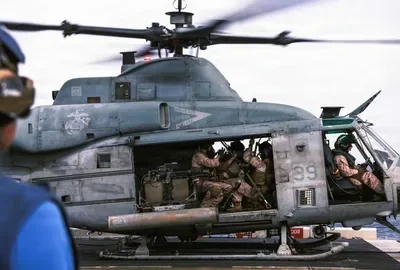
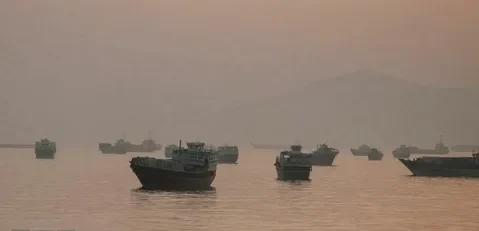
The immediate trigger for the latest flare-up began when US Central Command (CENTCOM) aggressively enforced its naval blockade on Iranian ports. American naval forces used a Hellfire missile to disable the engine room of the M/T Lexie, a Botswana-flagged tanker moving toward Iran’s Kharg Island after its crew reportedly ignored repeated warnings.
The strike on the tanker prompted a swift and violent response from Iran’s Islamic Revolutionary Guard Corps (IRGC), which launched a wave of one-way attack drones targeting civilian mariners and US naval assets transiting the strategic waterways. In response, US forces launched self-defense airstrikes against Iranian drone ground control stations and military infrastructure on Qeshm Island.
Missile Chaos Over Kuwait and Bahrain
The conflict quickly spread beyond the waters of the Gulf, drawing in regional neighbors that host vital American military infrastructure.
- Kuwait International Airport Struck: An Iranian strike directly hit a terminal at the airport, marking the first deadly incident in the Gulf since the initial April ceasefire took effect. The attack left one person dead and 63 others wounded.
- Salvo on Bahrain: In a highly coordinated overnight assault, Iran fired a barrage of seven ballistic missiles aimed at Kuwait and Bahrain—the latter hosting the US Fifth Fleet headquarters.
According to CENTCOM, US and local air defense networks went into immediate overdrive, successfully intercepting six of the ballistic missiles, while one failed to hit its intended target. The attacks triggered emergency sirens across both Gulf nations, forcing civilians to scramble for cover.
Tehran has openly defended its actions, accusing neighboring Gulf states of allowing the “colonialist use” of their territory by the US military to sustain its aggressive naval blockade against the Islamic Republic.
The Diplomacy Dilemma: Hardlines and Deadlocks
This intense military exchange comes at a highly frustrating time for international mediators. Behind the scenes, American and Iranian negotiators have been engaging in indirect diplomacy to extend the existing truce and lay out a 60-day framework to discuss Iran’s nuclear program and the reopening of the Strait of Hormuz.
The political rhetoric from both sides remains deeply conflicted:
- Trump’s Optimism: President Donald Trump stated in an interview that talks are actively continuing, claiming that Iran is “pretty close” to signing a deal but haven’t finalized it yet because “they’re proud.”
- The Iranian Standoff: In contrast, Iranian Foreign Minister Abbas Araghchi declared that negotiations face a severe deadlock because the US refuses to lift its blockade. Furthermore, Tehran insists that any stable US-Iran ceasefire must strictly include a complete halt to Israeli military operations in Lebanon, a condition the US and Israel have repeatedly rejected.
A Dangerous Horizon
While diplomats in Islamabad and Washington attempt to salvage the peace framework, the reality on the ground reflects a terrifying game of brinkmanship. With Israel warning that it stands ready for a full-scale return to military action if talks fail, the margin for error in the Gulf has shrunk to almost zero. The coming days will decide whether these heavy exchanges are the final, desperate bargaining chips of a diplomatic deal, or the opening salvos of a renewed regional war.