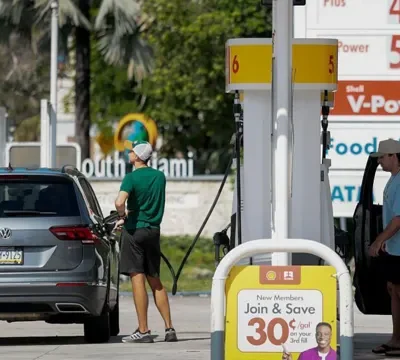

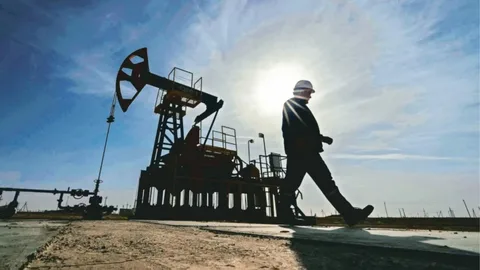
The dark cloud of a global energy crisis has suddenly lifted. In an extraordinary day of trading across global financial desks, world stock markets staged a massive, historic rally while crude oil prices collapsed by more than 5%.
The explosive market reversal follows a blockbuster weekend announcement that the United States and Iran have reached a tentative peace agreement to halt their three-and-a-half-month war, end the crushing U.S. naval blockade, and officially reopen the Strait of Hormuz.
With the immediate threat of a prolonged, inflationary third world war removed from the calculus, relief swept through international boardrooms. The market pivot arrives just weeks before the energy market was projected to enter a catastrophic summer “red zone” of depleted stockpiles and skyrocketing travel demand.
1. The Energy Collapse: Unwinding the War Premium
The primary driver behind Monday’s massive market reset was the immediate deflation of the geopolitical risk premium attached to raw commodities. Both international and domestic benchmarks plummeted to their lowest individual trading levels since March 10:
- Brent Crude: The international standard plunged a sharp 5.4% down to $82.61 per barrel, a massive retreat from its terrifying wartime peak of $126.
- West Texas Intermediate (WTI): The U.S. benchmark fell 5.3% to hover just over $80 per barrel.
- Wholesale Natural Gas: European and American gas futures tracking energy costs automatically slumped by roughly 6% overnight.
Despite the steep drop, energy experts at Rystad Energy emphasize that the global economy is not entirely out of the woods. While the active conflict premium has evaporated, an underlying structural premium remains.
Prices are expected to hold between $80 and $90 for the remainder of the year because global strategic petroleum reserves are heavily depleted, and the physical process of clearing naval mines from the Strait of Hormuz will take up to seven weeks.
2. Global Equity Markets Stage a Furious Comeback
As energy costs collapsed, global equity indexes exploded upward, led by an absolute feeding frenzy in technology, aviation, and oil-importing Asian economies.
On Wall Street, the tech-heavy Nasdaq Composite led the charge with a spectacular 3.0% surge, while the broader S&P 500 jumped 1.9% and the Dow Jones Industrial Average rallied over 700 points (1.4%).
Across the Atlantic, the Stoxx Europe 600 erased its entire wartime deficit to close at a new all-time high. The gains were even more dramatic in Asia, where energy-starved manufacturing hubs experienced a massive relief rally:
| Global Stock Index | Monday Trading Move | Primary Sector Catalyst |
| South Korea’s Kospi | +5.2% | Led by a 6.4% surge in semiconductor heavyweight SK Hynix. |
| Japan’s Nikkei 225 | +5.0% | Reached a fresh record high as SoftBank gained over 10%. |
| Nasdaq 100 | +2.7% | Fueled by AI chipmakers AMD (+7.2%) and Micron (+9.9%). |
| U.S. Aviation Sector | +3.7% to +5.2% | Direct fuel-cost relief pushed United and American Airlines sharply higher. |
3. The Switzerland Summit and Bond Market Relief
The geopolitical architecture behind the breakthrough has introduced profound stability into the macroeconomic outlook. According to diplomatic updates, the memorandum of understanding was brokered with extensive mediation from Pakistan’s Prime Minister Shehbaz Sharif.
While the initial ceasefire is active, the formal peace treaty is scheduled to be officially signed this Friday, June 19, in Switzerland. The comprehensive deal mandates a permanent termination of military operations across all active fronts, including Lebanon, alongside a 60-day negotiation window to finalize the terms of an Iranian nuclear phaseout.
This cooling of geopolitical tensions had an immediate, calming effect on the fixed-income sector:
Because lower oil prices directly alleviate long-term inflation fears, bond traders rapidly adjusted their monetary forecasts. According to data from the CME Group, the market consensus for an additional central bank interest rate hike this year plummeted from 71% down to just 56%, offering massive relief to highly indebted corporate balances.
Conversely, the only clear losers of the trading day were traditional fossil fuel giants. Having reaped massive, record-breaking profits throughout the three-month blockade, oil and gas stock equities plummeted across European trading desks, with TotalEnergies sliding nearly 9%, while BP, Shell, and Eni all shed roughly 4% as institutional capital rotated out of commodities and back into growth equities.